The global study abroad landscape changed significantly this week. Three world-class universities just received approval to open campuses in India. And all major overseas destinations — UK, US, Canada, Australia — are tightening policies. Here is what this means for your decisions right now.
Bristol, York & UNSW approved to open India campuses — August 2026 The Ministry of Education has today issued Letters of Approval to three globally ranked universities to establish campuses in India under NEP 2020. UNSW Bengaluru opens at Manyata Business Park, Bengaluru in August 2026. University of York opens in Mumbai. University of Bristol opens in Mumbai. These are full degree-granting campuses — same academic standards as the parent university overseas, at 40–60% lower fees.
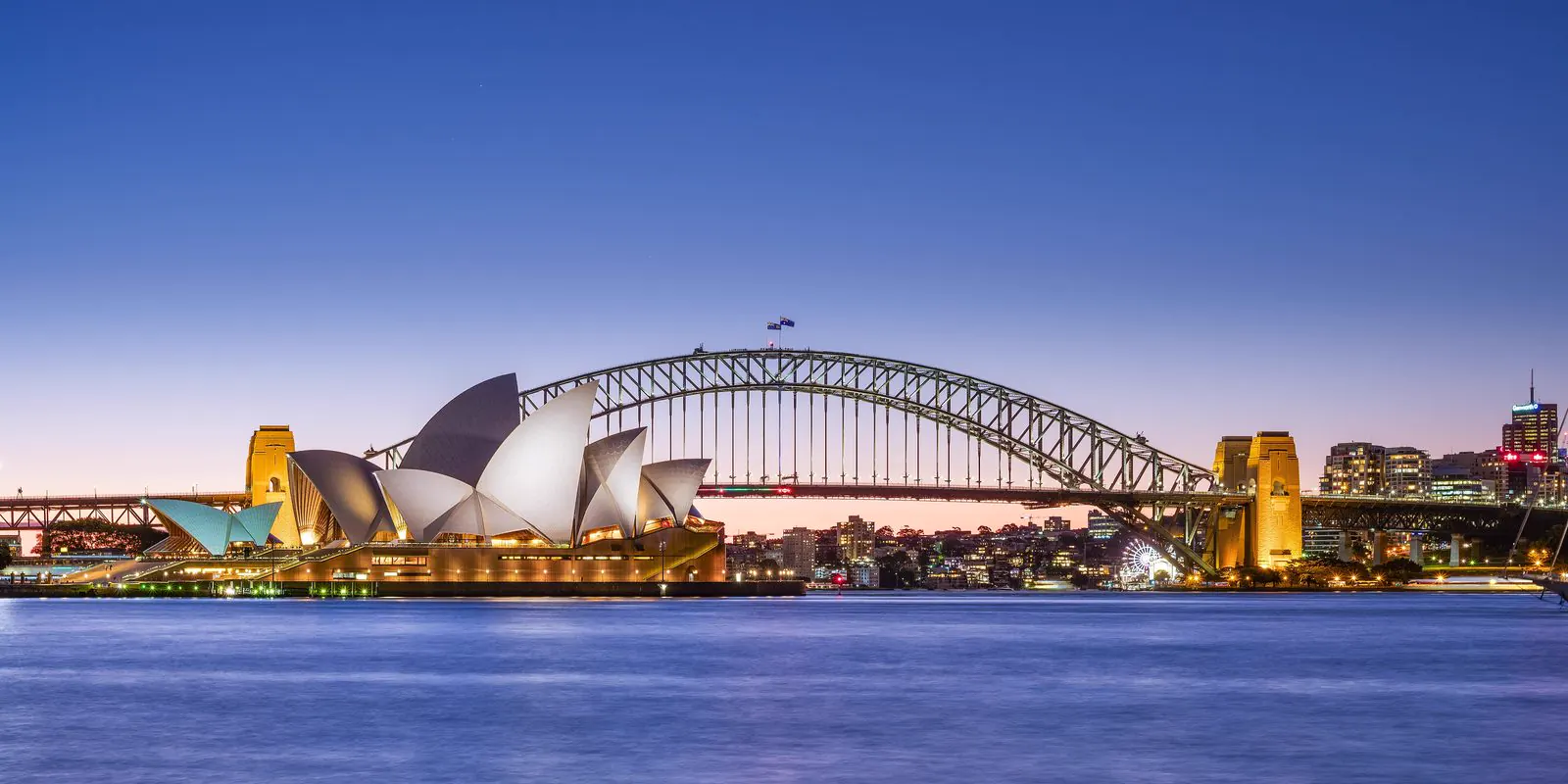
🌍 Destination Updates — What's Changed 🇬🇧 UK — Higher visa fees; dependent restrictions; 97% acceptance still holds UK raised immigration fees from April 2026. Students on taught postgraduate courses (MSc, MA) can no longer bring dependants — exceptions apply to PhD and research programmes. Despite this, the UK's 1-year Masters, strong rankings, and Graduate visa route remain compelling. Indian students maintain a 97% visa acceptance rate. 🇦🇺 Australia — Private college crackdown; public universities remain strong Australia has blocked private colleges from offering new courses as part of a student visa crackdown. Ministerial Direction 115 adds scrutiny to all applications. However, Group of Eight (Go8) and public universities remain strong pathways. The MATES ballot for NIRF top-100 graduates is open — apply before January 2027 for the full 2-year Graduate visa. 🇨🇦 Canada — 50% intake cap cut; Masters & PhD largely exempted Canada has cut study permit volumes by 50% for undergraduate programs. Postgraduate research streams — Masters and PhD — are largely exempted. Express Entry now prioritises healthcare, science, engineering, and skilled trades through category-based draws. Canada remains viable for postgraduate students with a clear career pathway. 🌐 Germany & New Zealand — Rising alternatives worth knowing Germany is seeing strong growth in Indian student enrolment as Big 4 tighten. Public universities charge near-zero tuition. New Zealand raised student work rights to 25 hours/week from June 2026 and simplified degree recognition — positioning itself as a more accessible alternative to Australia.
⚖️ New Option: Global Degree in India vs. Study Abroad With 18 foreign universities now opening campuses in India, students have a genuine new option: a globally recognised degree — from UNSW, Southampton, York, or Bristol — without leaving India. Here is an honest comparison:
| Factor | India Campus (IBC) | Study Abroad |
| Total Cost | 40–60% lower | Full overseas cost + living |
| Visa Risk | None | Increasing in all Big 4 |
| International Exposure | Limited — you stay in India | Full immersive experience |
| PR / Work Abroad | Harder — no overseas residency | Graduate visa pathways available |
✅ 3 Things to Do Right Now 1 Shortlist destinations based on your career goal — not just rankings If you want to work in India after graduation: IBC or German university may offer better ROI. If you want PR abroad: Australia (Go8), Canada (Masters), or New Zealand offer clearer pathways. If budget is the primary constraint: Germany, IBC, or Ireland. 2 Apply early — September 2026 and January 2027 intakes are now open September 2026 deadlines are approaching for most universities. January 2027 intakes are open for UK and Australian institutions. Early applications get stronger scholarship consideration and avoid last-minute visa stress.
The right decision now saves years of regret later. Book a free 1-on-1 counselling session with ODA — we will map your goals, budget, and timeline to the right destination and university.