01
Tuition from Just EUR 1,000/Year
Public universities charge international students EUR 1,000–9,000 annually.

Gain internationally recognised degrees and unlock global career pathways
Belgium combines world-class research with affordable public universities and EU access. Belgium is one of the few places in Western Europe where a public university degree still costs around €1,000 to €4,500 a year rather than the €15,000 or more that comparable English-taught programmes command elsewhere. It is a small country with two academic traditions — Flemish in the north, French in the south — and more than 1,100 programmes taught in English across them. Brussels being the seat of both the EU and NATO also means the research and internship networks are unusually deep for a country this size.
Public universities charge international students EUR 1,000–9,000 annually.
Belgian universities offer a wide range of English-taught programmes with no language requirements.
Students may work up to 20 hours per week during term time and full-time during breaks.
Student residence permits grant access to all 26 Schengen countries with major European cities reachable within hours.
Belgium hosts EU and NATO headquarters, offering unrivalled access to internships and policy careers.
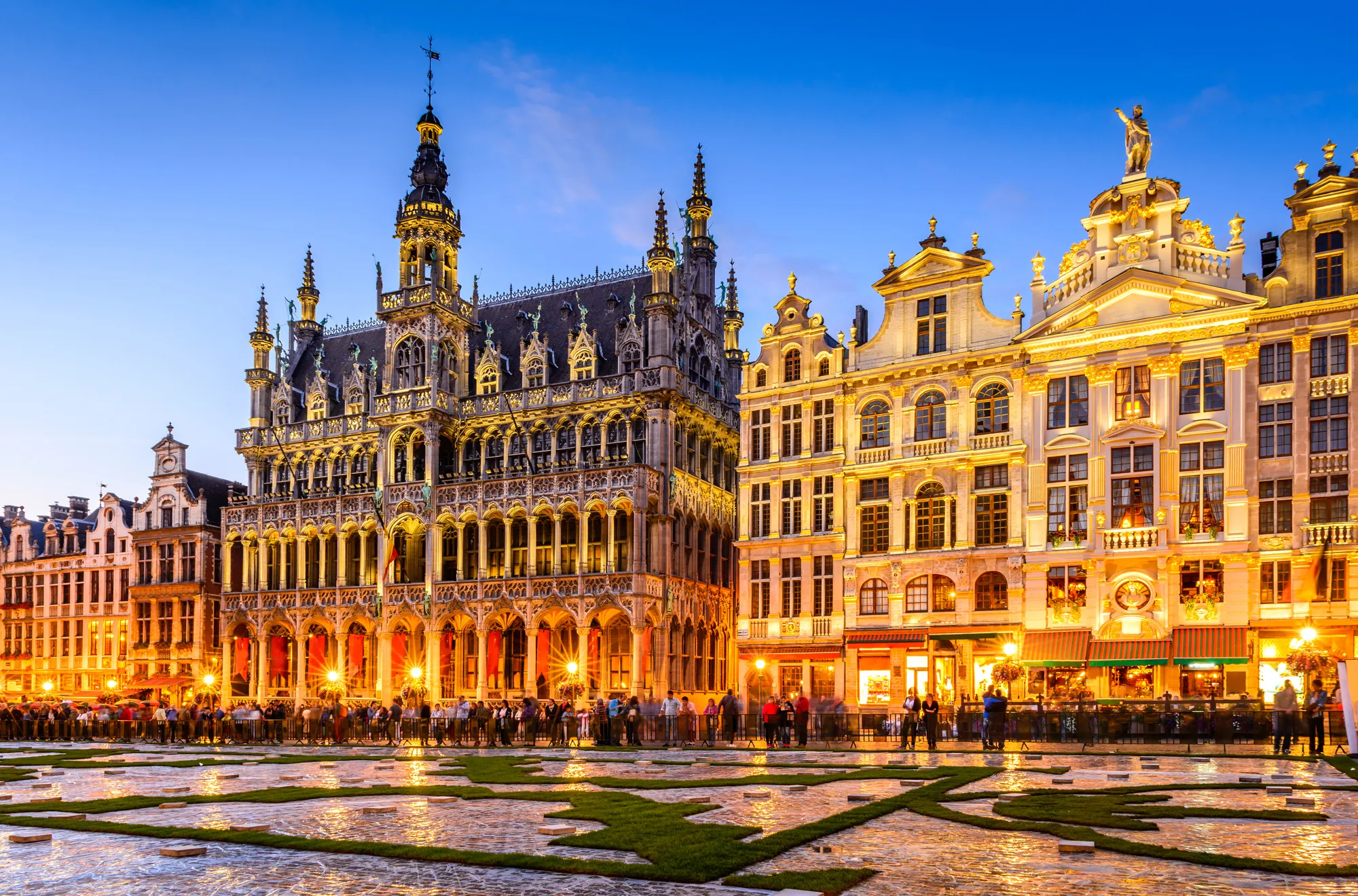
Masters Applied Informatics: Artificial Intelligence and Data Science Most of the demand we see is postgraduate: data science and statistics at KU Leuven, food technology and biotechnology at Ghent, and business and international relations in Brussels, where the institutions sit next to the organisations their graduates want to work for. Engineering and life sciences are the strongest fields, and one-year master's options exist alongside the standard two-year research routes.
04 Top CoursesKU Leuven
Ghent University
Vrije Universiteit Brussel (VUB)
Vlerick Business School
Application deadline for autumn intake is March–April to allow visa processing time. The main intake is September to October, with a smaller one in February. The date that matters is not the deadline but the one before it: for a September start, applications should be in by March or April, because Belgian universities assess non-EU credentials slowly and the student visa process needs months rather than weeks behind it. Students who begin in January for a September intake are working with a comfortable timeline. Those who begin in June are not.
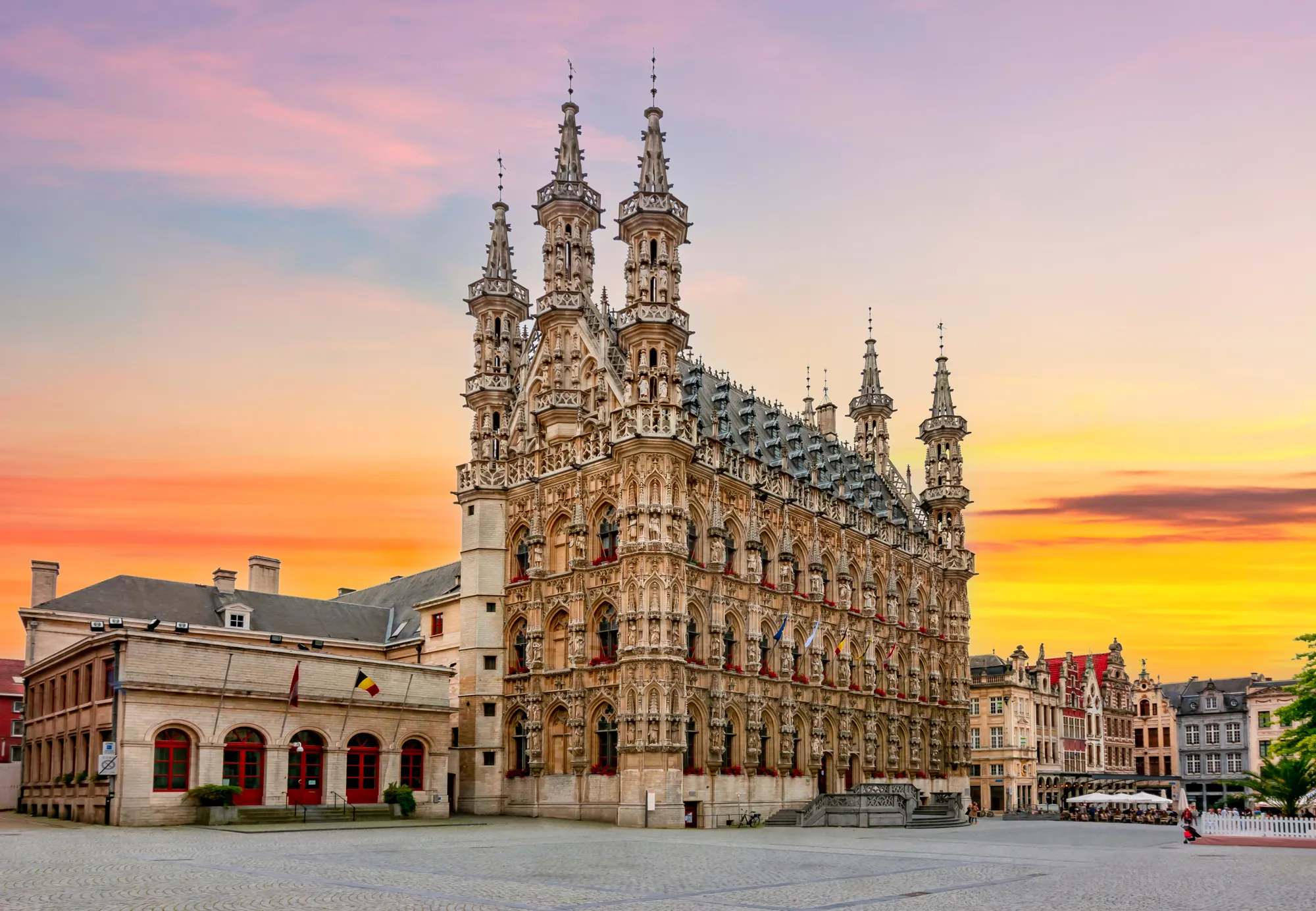
Application deadline for autumn intake is March–April to allow visa processing time.
September – October 2026 Application Open
February 2027
September – October 2027
Belgium offers affordable public university tuition by European standards, with diverse options across French, Dutch, and English-medium institutions. Tuition at a public university runs from about €1,000 to €4,500 a year at undergraduate level, which is the reason most students look at Belgium in the first place. Living costs are the larger number: budget €900 to €1,300 a month in Brussels, somewhat less in Leuven, Ghent or Liège. Students may work up to 20 hours a week during term, which helps at the margins but should never be the plan that makes the budget work.
MBA (Vlerick, Solvay, PhD / Doctoral Often fully funded with monthly stipend * Many Flemish public universities use income-based calculations with potential reduced rates based on family income.
Yes. Belgian universities run more than 1,100 programmes taught entirely in English, concentrated at master's level. Undergraduate teaching is more often in Dutch or French, so for a bachelor's degree the English-taught options are real but narrower, and worth checking programme by programme before you commit to the country.
Tuition at a public university runs from about €1,000 to €4,500 a year at undergraduate level — low by Western European standards. Living costs are the bigger figure at roughly €900 to €1,300 a month in Brussels, and somewhat less in Leuven, Ghent or Liège. Budget for the living costs first; the tuition is rarely what decides affordability.
The main intake is September to October, with a smaller one in February. Applications should be submitted by March or April for a September start. Belgian universities assess non-EU qualifications slowly and the student visa process needs months behind it, so the deadline is not the date that matters — the assessment queue in front of it is.
Students on a residence permit may work up to 20 hours a week during term time. That helps at the margins and covers some living costs, but it should never be the assumption that makes your budget balance — visa applications require you to show you can fund the year without it.
Belgium is in the European Higher Education Area, so its degrees and credits are structured for recognition across it. A Belgian student residence permit also gives you travel access to the Schengen area, which is part of why students weighing a single EU destination often end up comparing Belgium against far more expensive options.